01/25/2021
Customs plays a vital role in protecting society by securing transport chains by ensuring product safety and by combating cross-border crime. However, inefficient customs can be a barrier to trade and a key risk factor for companies already operating in a more challenging environment as a result of the COVID-19 pandemic. Now more than ever, the value derived from using an experienced logistics provider can lead to significant cost savings. For clients experiencing cost drainage and time delays when moving goods, it might be time to consider their holistic logistics solution carefully. Read more
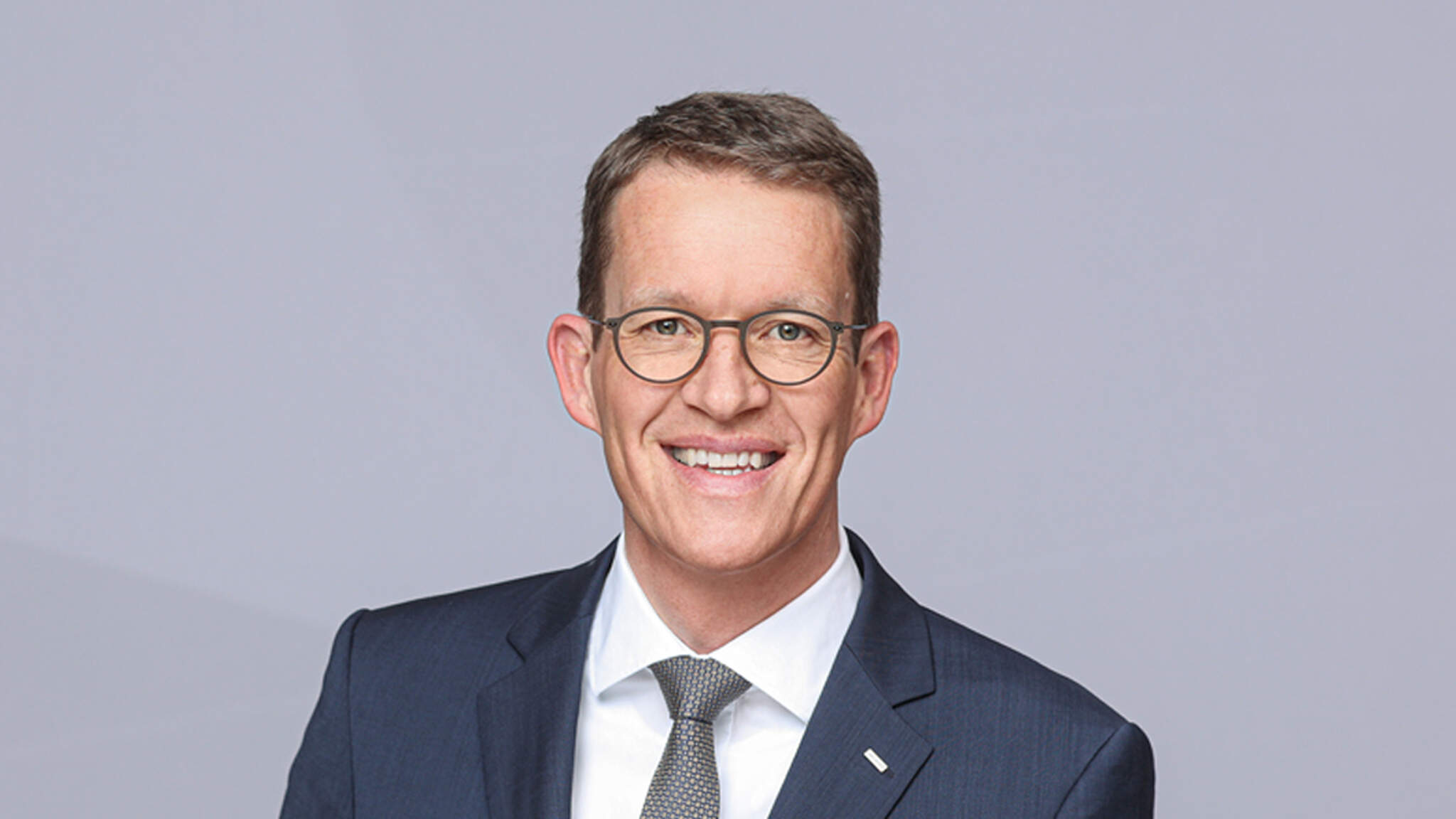
Managing Director of DACHSER South Africa, Detlev Duve, says, “Measures undertaken to address the health crisis of the COVID-19 pandemic, including stringent social distancing regulations and stricter transit requirements, have impacted the movement of goods, border procedures and customs in unprecedented ways. Customs border administrations across the regions, already overloaded, have been further stretched, with an impact on the smooth flow of logistics across the region. The digitisation of transport and trade procedures and the harmonisation of customs regulations must be a strategic imperative during COVID-19, and beyond. However, in many countries across the African continent, we’re not there yet.”
To avoid significant time delays and unforeseen cost implications, Duve says it’s vital that companies involved in international trade understand and comply with changing regulations and requirements. However, getting to grips with regulatory environments be challenging for companies and divert resources away from core business priorities, making a trusted logistics partner an essential part of doing business.
“It has always been a priority Dachser’s teams to be up to speed on customs regulations and procedures, which includes the legal requirements necessary for moving goods into or out of South Africa - and the African continent,” says Duve. “Our Customs team follows streamlined processes and includes specialist personnel who can analyse and assess client requirements.
Customs compliance
DACHSER's teams can verify all paperwork for compliance and accuracy, as well as verify and understand International Commercial Terms (known as Incoterms). “Our teams must understand what our clients are importing or exporting, and the requirements around these products. They further consider where costs can be saved or passage expedited. For example, certain processes could entitle an importer or exporter to claim back a percentage of duties paid to Customs.”
Rigorous compliance with Customs requirements includes making sure that the product is correctly classified and declared, that it is accurately valued and that the necessary documentation is on hand at the time of clearance, says Duve. “We have a good working relationship with the local customs’ authorities and have worked closely with them as we moved through the changing regulations of the pandemic, and the transportation of essential goods.”
Many delays occur when importers provide the incorrect tariff headings, or do not have the sales agreement, proof of payment other required information to hand. Delays can also be experienced when the importer does not have the necessary permission to import the product or cannot produce the proper permit or Letter of Authority. Duve says, “We advise our clients thoroughly on the requirements before beginning any process. We then closely monitor our clients’ entries, and if there is a possibility of delay, we act upon it immediately through the various channels. Our teams follow these up frequently, and escalate until goods are released.”
Bonded storage to save costs
DACHSER also offers bonded storage, which enables cargo to be stored for up to 2 years. “Bonded store allows the importer a better cash flow given that they can remove goods only as and when needed. In doing so, the importer is only required to pay the VAT and Customs duties on those items extracted. Additionally, the importer can also transfer ownership of the goods, making the new owner liable for any VAT and duties payable.” Duve says that importers are also able to inspect the goods in the bond store, before paying VAT and duties, to ensure that the correct cargo was shipped and that the quality and quantity is correct.
DACHSER offers another option to clients when a portion of imported goods are going to be directly exported. “If the client does not need to clear the entire shipment, DACHSER South Africa will clear the goods directly into our bond store and no duty or VAT will be paid until the cargo is moved out,” Duve explains. “We keep full control of the stock. Should the client require a portion of stock to be released for local supply we clear the goods, paying the duty and VAT on behalf of the client and billing this back. If a portion of the stock needed to go to an African country, we would move this out with a bonded truck to that country, where the cargo would be cleared. In this way, the client is spared having to pay duty and VAT twice.”
Duve says that DACHSER South Africa continues to seek value-added solutions for their clients as they deal with the pandemic. “Our commitment is to provide our clients with a holistic and seamless solution and we see ourselves as an extension of their businesses. This means that we take care of all aspects of the transportation, including customs, storing, handling and the safe delivery of goods from origin to destination.”